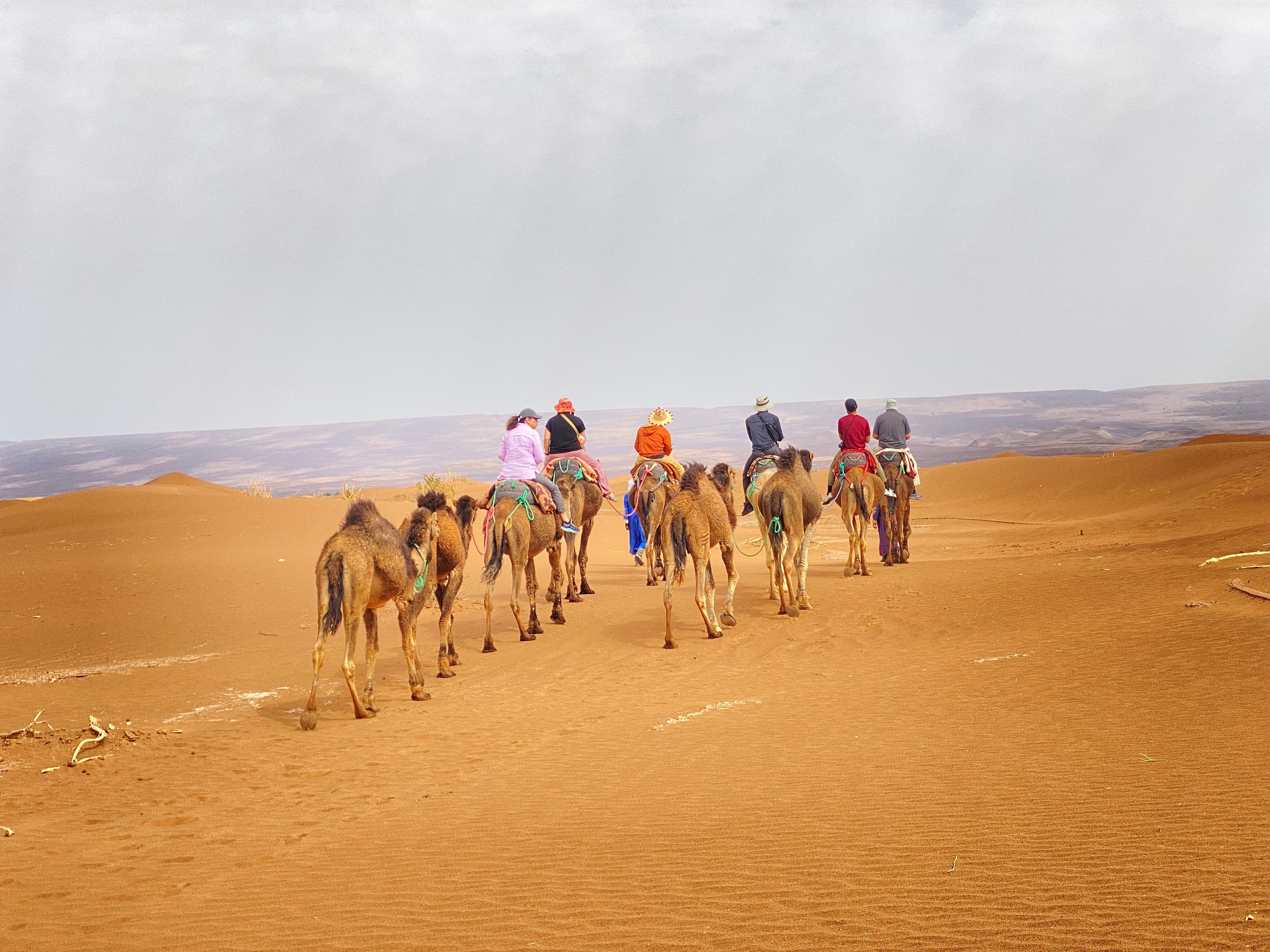
desert
Erg Chebbi vs. Erg Chigaga: Choosing Your Authentic Moroccan Desert Expedition
Comparing Morocco’s two legendary sand seas: accessibility, dune dimensions, camp standards, camel trekking options, and wild off-road 4WD routes.
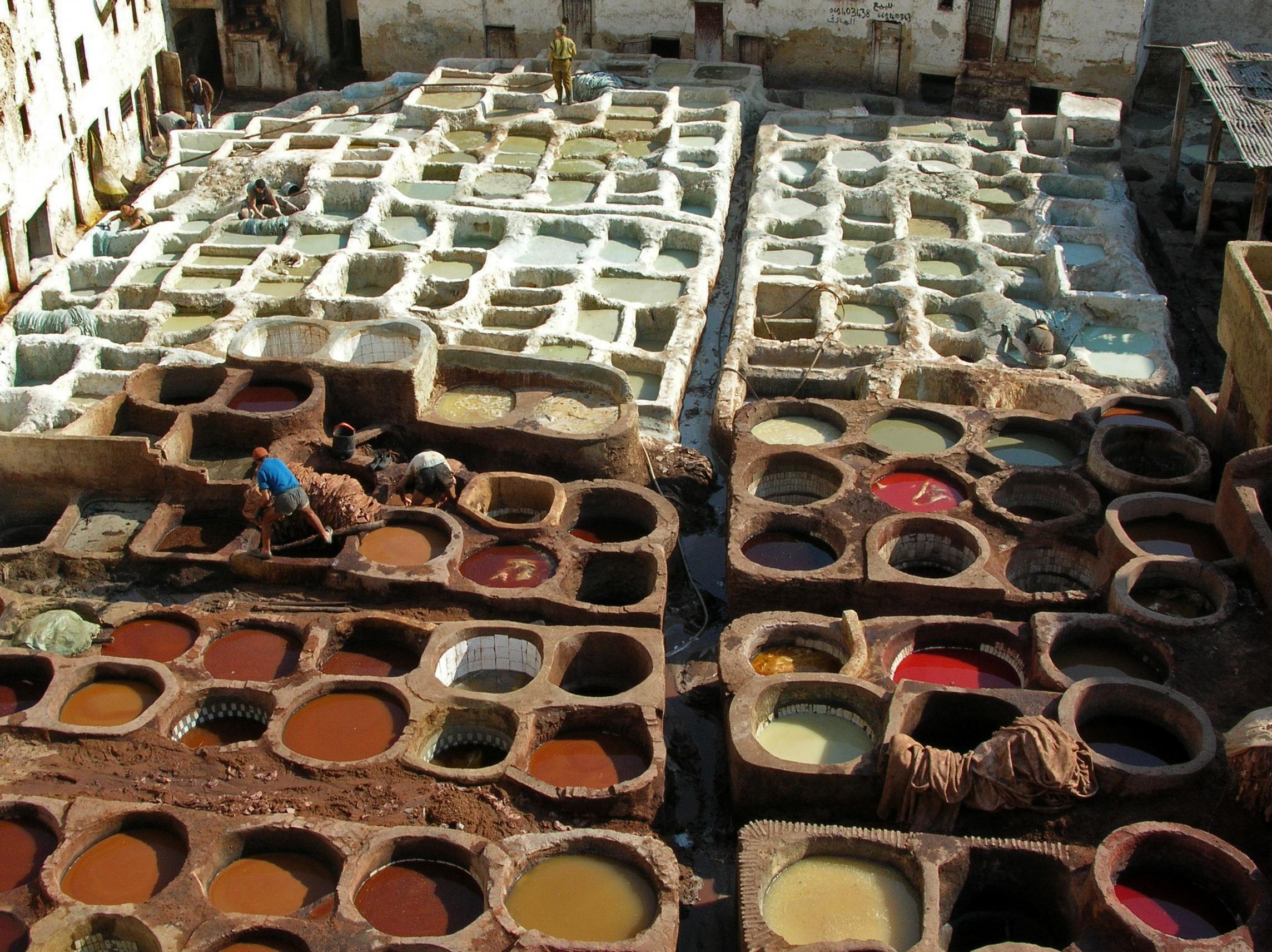
The Sahara will test your kit. Four days of extreme temperature swings — from 38°C at midday to near-freezing after dark — combined with fine sand that infiltrates every zip and seam, means that poorly chosen gear becomes a genuine problem rather than a minor inconvenience. I have guided in the Sahara for ten years, and I have watched well-travelled people struggle because they packed for the wrong desert.
This is not a packing list built from theory. It is the field-tested list I wish every client had read before arriving in Merzouga or M'Hamid.
The desert is not one temperature. It is an extreme range within a single 24-hour cycle. Your clothing system must span that entire range without becoming a burden to carry.
During the Day: Loose, long-sleeved, light-coloured shirts in linen or technical synthetic fabrics offer maximum UV protection and facilitate airflow. Cotton absorbs perspiration and dries slowly. Long, lightweight trekking trousers are far superior to shorts — they shield your legs from sun radiation and abrasive windblown sand.
At Night: Temperatures drop precipitously once the sun dips below the dune horizon (frequently dipping to 2°C–6°C in spring and autumn, and near 0°C in winter). A warm thermal base layer, an insulating fleece, and a packable down jacket are indispensable.
Standard baseball caps blow off in desert gusts. A traditional 4-to-5-metre cotton Berber scarf (*chèche* or *tagelmust*) is the single most functional piece of headgear ever created. Wrapped properly around the head and lower face, it shields your neck from scorching sun, keeps sand out of your mouth and nose during wind gusts, and breathes effortlessly.
Pair your chèche with Category 3 or 4 UV-blocking sunglasses with side coverage. Fine desert quartz reflects intense sunlight; protecting your eyes is paramount.
For camel trekking and dune hiking, breathable lightweight trail running shoes or ankle-height hiking boots work best. Avoid heavy Gore-Tex waterproof boots in the hot daytime — they trap heat and sweat.
Pack lightweight gaiters if you intend to hike up high dunes, as fine sand inevitably pours over low-cut collars. For evening downtime around the camp fire, bring sandals or comfortable slip-ons to let your feet air out.
The dry Sahara air evaporates sweat almost instantly; you will not realize how much moisture you are losing. Drink a minimum of 3.5 to 4 litres of water daily. Bring a reusable insulated metal flask (like a Hydro Flask) to keep drinking water cool during hot midday transits.
Pack broad-spectrum SPF 50+ sunscreen, zinc-based lip balm, and intensive moisturizing lotion. Electrolyte hydration powder packets added to your water bottle prevent heat fatigue and headaches.
Fine desert sand is the mortal enemy of lenses, dials, and camera sensors. Never change camera lenses while standing outdoors in the dunes. Store cameras and phones in airtight, sealed dry bags (or heavy-duty Ziploc freezer bags) when not in active use. Bring high-capacity power banks, as cold desert nights reduce lithium battery capacity by up to 30%.
Field Contributor
Fatima Benali
Native guide and outdoor expedition specialist with Beyond Morocco. Dedicated to responsible travel and authentic mountain exploration across North Africa.
Experience This Landscape
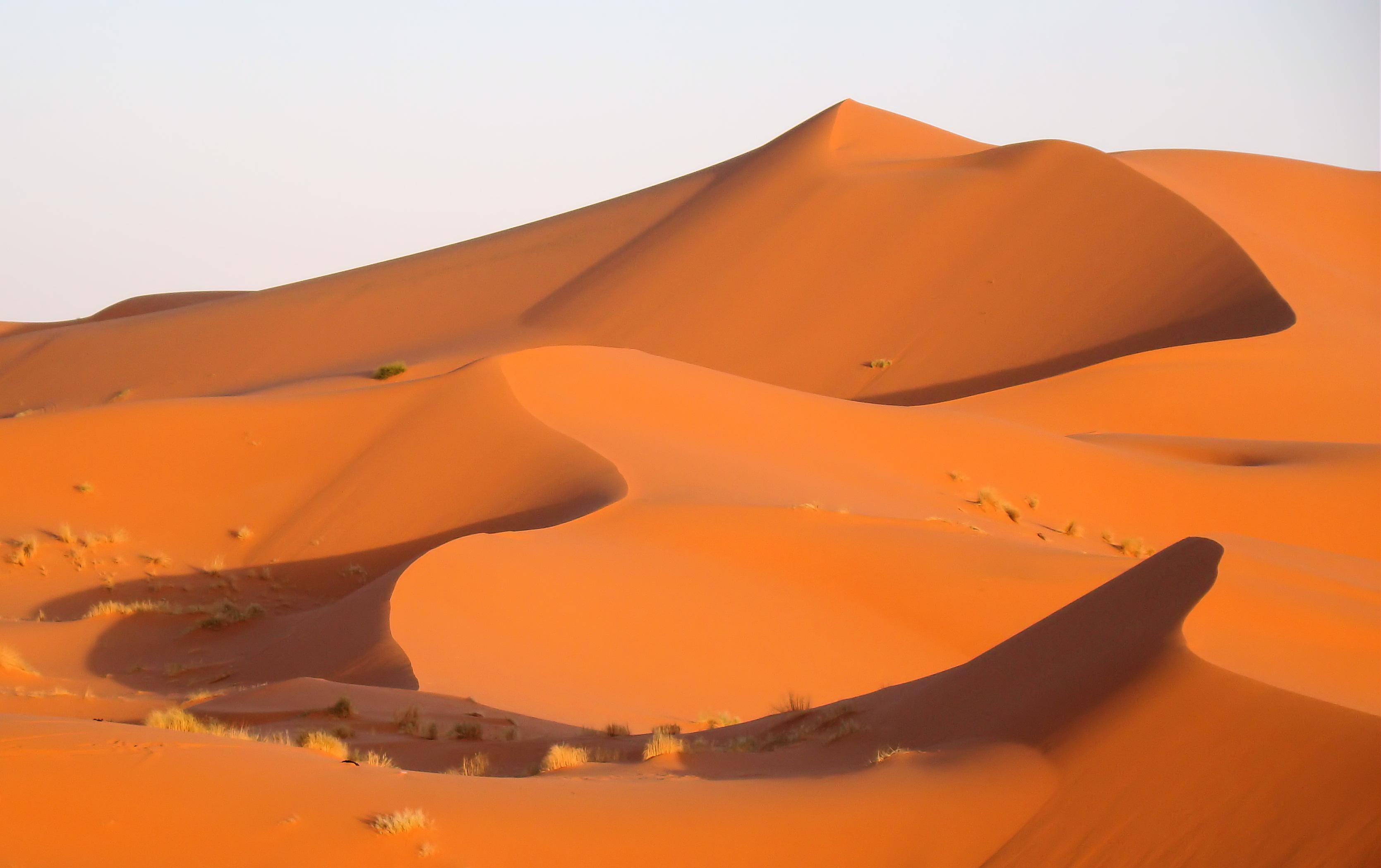
Three days traveling through High Atlas gorges to the monumental golden dunes of Erg Chebbi in Merzouga.
Four days venturing into Morocco’s largest, wildest, and most remote sand sea: the monumental dunes of Erg Chigaga.