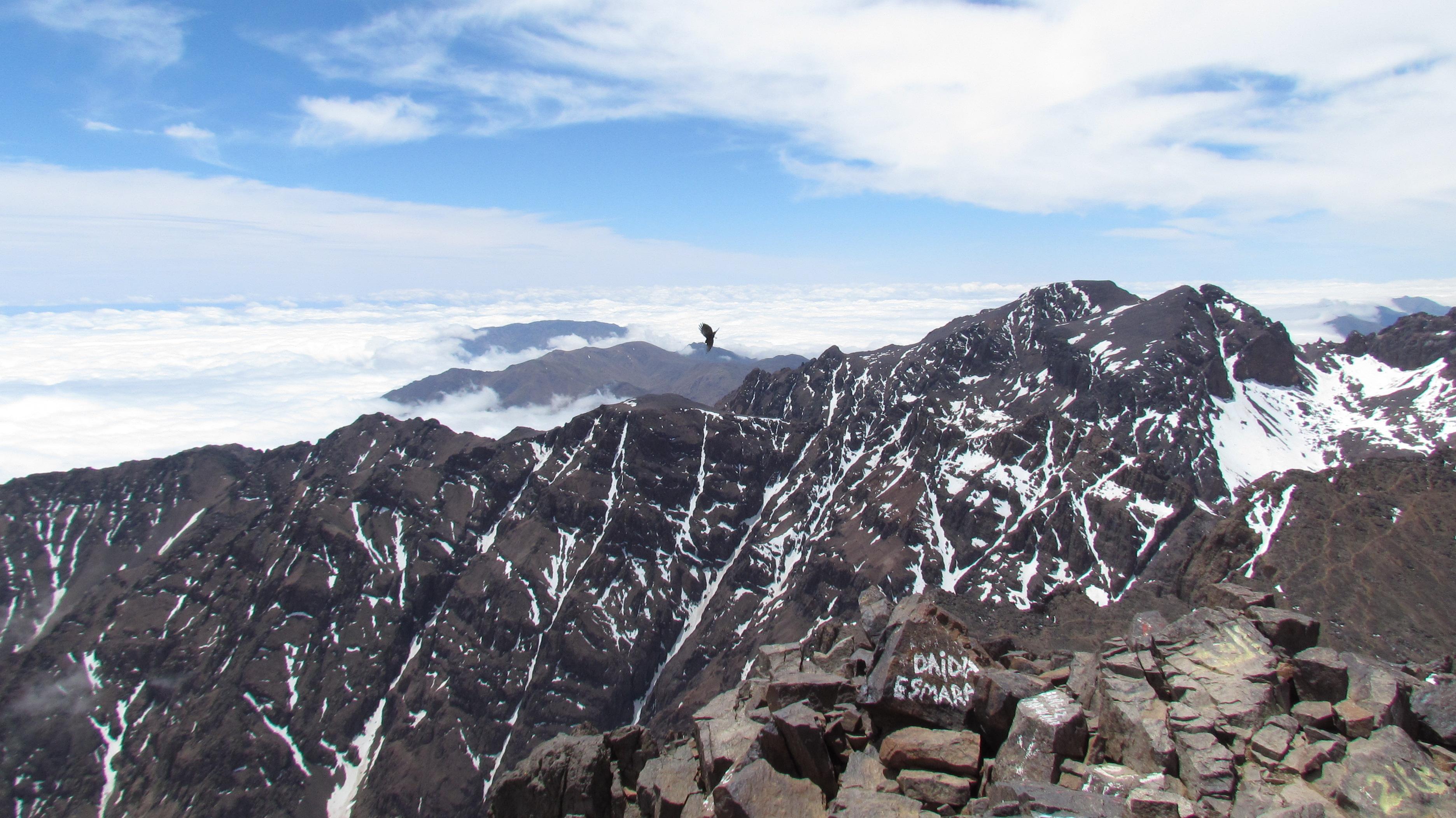
trekking
Climbing Mount Toubkal (4,167 m): The Definitive High Atlas Trail Guide
Everything you need to prepare for North Africa’s highest summit: pacing protocols, acute mountain sickness prevention, seasonal equipment, and refuge logistics.
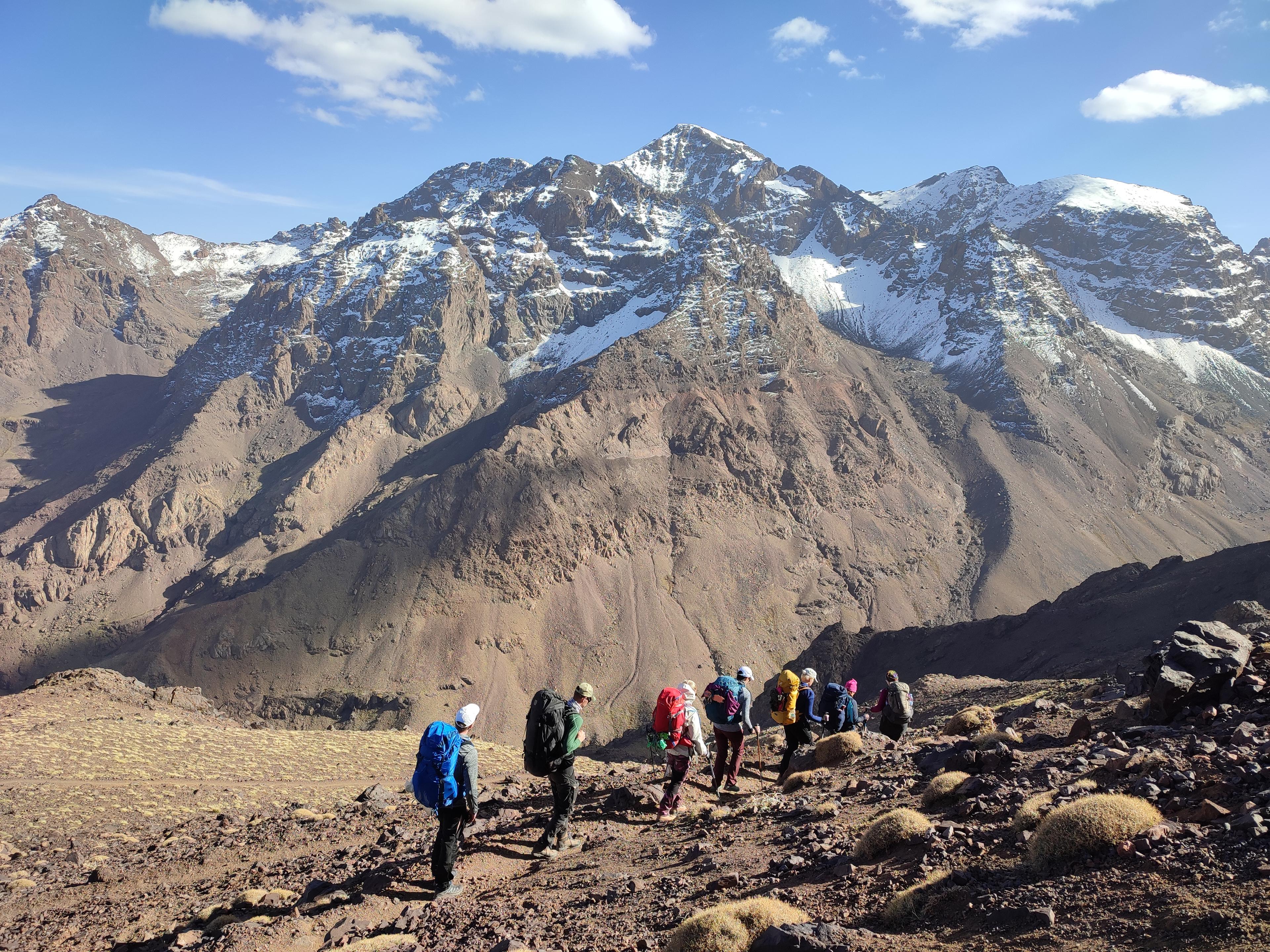
Trekking in the High Atlas Mountains presents a dramatic microclimate contrast. In a single morning, you might begin walking through temperate walnut orchards in Imlil at 1,740m under clear sunshine, and find yourself navigating freezing scree slopes and high-velocity winds at 4,000m on Toubkal before afternoon.
To travel comfortably and safely through these mountains, your gear must be lightweight, adaptable, and durable. Here is the definitive gear checklist developed by Beyond Morocco's certified CFAMM mountain guides.
While our mountain refuges and village gîtes provide mattresses and thick wool blankets, bringing your own 3-season sleeping bag (comfort rating -5°C to 0°C) is strongly recommended for hygiene and warmth during chilly alpine nights. Include a silk or cotton sleeping bag liner and foam earplugs (dormitories can be noisy).
On our guided treks, native Atlas pack mules transport the bulk of your expedition luggage between camps. You only need to carry a 28–32 litre daypack containing your water, rain shell, extra mid-layer, camera, and trail snacks. Pack your main gear inside a durable 70–90 litre water-resistant duffel bag rather than a rigid suitcase.
Field Contributor
Hassan Aziz (CFAMM Guide)
Native guide and outdoor expedition specialist with Beyond Morocco. Dedicated to responsible travel and authentic mountain exploration across North Africa.
Experience This Landscape
Ascend North Africa’s highest peak (4,167 m) via the South Cirque route with certified Berber mountain guides.
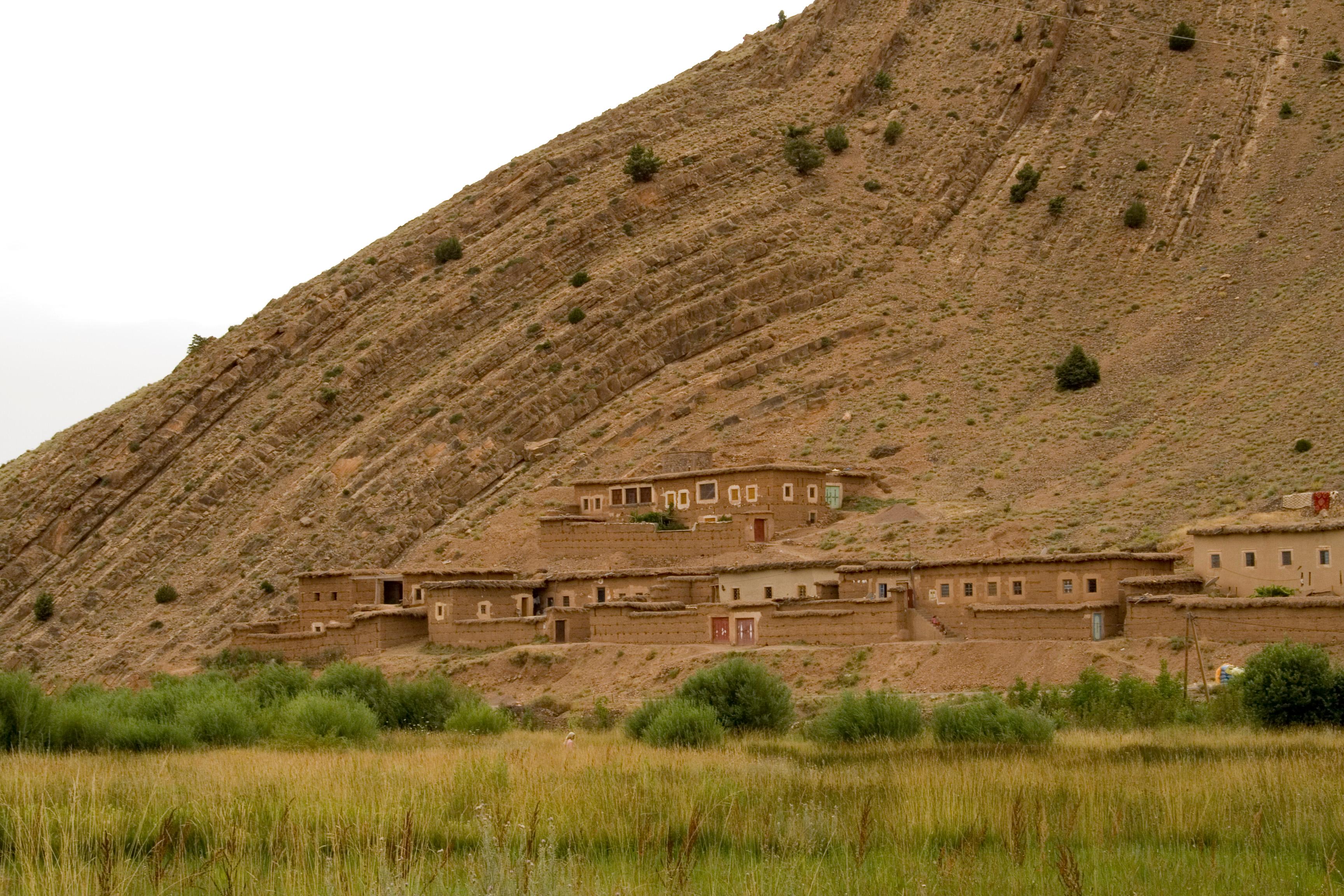
Five days of authentic valley and ridge trekking through remote Berber settlements in the Aït Bouguemez Happy Valley.
From Our Field Journal
Everything you need to prepare for North Africa’s highest summit: pacing protocols, acute mountain sickness prevention, seasonal equipment, and refuge logistics.
A deep dive into Central High Atlas pastoral trekking, dinosaur fossil plateaus, and village homestays beneath the M’Goun peaks.